


Welcome to Promoto in Taupo, your Yamaha dealer for new road, dirt, and farm bikes. Expert motorcycle repair and servicing available.
Motorcycles
Looking for motorbike services in Taupō? This is your comprehensive guide to finding professional motorcycle workshops offering servicing, repairs, and maintenance for all bike types. Whether you require regular servicing, mechanical repairs, warrant of fitness inspections, or specialist work, Taupō's motorcycle technicians provide expert attention ensuring your bike remains reliable and safe.
Local service providers work with various motorcycle categories including road bikes, adventure machines, off-road bikes, and farm ATVs, handling all major manufacturers and models. From routine maintenance to complex mechanical work, experienced technicians deliver quality service keeping bikes performing optimally. Our directory connects you with motorcycle workshops throughout Taupō, helping you locate qualified professionals for all your motorcycle service and repair requirements.
Featured Motorcycles Listings
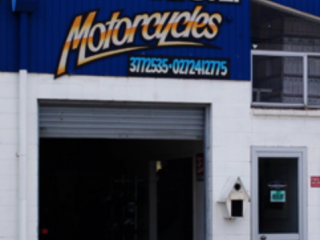
W.O.T MOTORCYCLES
Welcome to W.O.T Motorcycles in Taupo. We specialize in servicing all types of bikes, including Harley-Davidsons, scooters, and more.
Motorcycles Map
Regular Motorcycle Maintenance
Consistent motorcycle servicing maintains performance, reliability, and safety whilst identifying developing issues before they become serious problems. Service intervals depend on manufacturer recommendations—typically ranging from 5,000 to 10,000 kilometres with additional time-based schedules if riding infrequently. Standard services include engine oil and filter changes using correct specification lubricants, air filter cleaning or replacement, spark plug inspection or renewal, and valve clearance checks on engines requiring periodic adjustment. Drive chain services include tension adjustment, wear inspection, and proper lubrication. Brake systems receive thorough inspection covering pad thickness, fluid condition, and hydraulic system integrity. Liquid-cooled engines need coolant level and condition checks. Tyres get inspected for wear patterns, damage, and proper pressure, with wheels checked for bearing play or damage. Electrical systems including lights, indicators, horn, and charging systems receive functional testing. Control cables need inspection and lubrication ensuring smooth operation. Suspension components, steering head bearings, and critical fasteners get checked for proper torque and wear. Thorough servicing identifies potential problems early, preventing roadside breakdowns and expensive repairs whilst maintaining optimal bike performance and resale value.
Motorcycle Repair Services
Motorcycle repairs address various mechanical and electrical issues affecting bike operation and safety. Common repairs include clutch work from simple cable adjustments to complete clutch pack replacements when slippage or dragging occurs. Carburettor services on older bikes involve cleaning, jetting adjustments, and synchronization on multi-cylinder engines. Fuel injection diagnostics on modern machines identify sensor failures, injector problems, or ECU faults. Fork seal replacements stop oil leaks that contaminate front brakes or tyres. Brake repairs include pad replacement, calliper rebuilding, master cylinder servicing, and hydraulic line renewal. Engine work ranges from head gasket replacements and valve adjustments to complete top-end rebuilds or full engine overhauls addressing wear or damage. Transmission repairs fix gear selection problems, address clutch drag, or replace worn components. Electrical repairs diagnose charging system failures, starter motor problems, wiring faults, and electronic control issues. Crash repairs address bent components, broken levers, damaged bodywork, and frame straightening. Cooling system repairs fix radiator leaks, replace water pumps, and resolve overheating issues. Quality workshops combine traditional mechanical expertise with modern diagnostic equipment, accurately identifying problems rather than guessing. They provide transparent quotes, explain issues clearly, and use appropriate quality parts matching your requirements and budget.
Warrant of Fitness Services
Motorcycles require annual warrant of fitness inspections confirming they meet minimum safety standards for legal road use. Licensed WOF inspectors systematically examine specific items including tyre tread depth exceeding legal minimums and tire condition free from significant damage, brake operation providing adequate stopping power, steering system without excessive play, suspension components without leaks or significant wear, functional lighting and reflective devices, working horn audible at prescribed distances, and exhaust systems securely mounted meeting noise regulations. Additional checks include mirror condition and mounting, number plate security and visibility, speedometer operation, control lever condition, and overall structural soundness. Frequent failure points include worn tyres, inadequate brakes, inoperative lights or indicators, damaged or missing mirrors, loose components, and exhaust systems exceeding noise limits. Reputable workshops conduct thorough yet fair inspections, clearly explaining any failures and providing repair quotes. Many offer pre-WOF checks identifying potential issues allowing you to address them before formal inspection. Workshops providing both WOF inspections and mechanical services offer convenience—failures can often be rectified immediately allowing same-day re-inspection and certification. Regular servicing between annual WOFs reduces failure likelihood, as mechanics identify and address developing issues before they become safety concerns requiring WOF failure.
Tyre Services and Wheel Maintenance
Motorcycle tyres critically affect safety, handling, and performance, requiring proper maintenance and timely replacement. Tyre services include supplying and fitting appropriate tyres for different applications—sport tyres for aggressive riding, touring tyres for distance comfort and life, adventure tyres for mixed surface use, and knobbly tyres for serious off-road work. Technicians remove wheels, break down old tyres, mount new ones, balance wheels precisely, and reinstall with correct torque specifications. Puncture repairs address damage when safely repairable, though many motorcycle tyre punctures cannot be fixed given high speeds and cornering forces involved. Regular pressure checks and adjustments ensure optimal performance, handling, and tyre longevity. Wheel services include spoke tensioning and trueing for wire-spoked wheels maintaining correct roundness, bearing replacement when roughness or play develops, and wheel alignment verification. Professional tyre fitting ensures proper bead seating preventing dangerous failures, accurate balancing eliminating vibration, and correct installation that inexperienced attempts often compromise. Workshops advise on tyre selection—matching compounds and tread patterns to riding conditions and style significantly impacts performance and safety. Popular sizes may be available for immediate fitting, whilst less common specifications require ordering. Quality workshops guarantee tyre work, addressing any issues arising from their installation.
Chain and Sprocket Maintenance
Chain-driven motorcycles require regular chain maintenance and eventual chain and sprocket replacement. Chain maintenance involves thorough cleaning removing accumulated grime and old lubricant, careful inspection identifying wear including link stretch and tight spots indicating damage, tension adjustment maintaining proper free-play, and application of quality chain lubricant providing ongoing protection. Proper maintenance dramatically extends chain life compared to neglect. Chain replacement becomes necessary when stretch exceeds adjustment range, links show excessive side-play indicating worn pins and bushings, or when tight spots or kinks develop. Worn chains accelerate sprocket wear, whilst worn sprockets quickly destroy new chains, necessitating simultaneous replacement of all drive system components. Sprocket changes allow gearing modifications—increasing teeth counts improves top speed and fuel economy, whilst reducing counts enhances acceleration response. Professional installation ensures precise wheel alignment preventing rapid wear, proper chain tension avoiding tight spots, and correct torque on all fasteners. Quality workshops use specialized alignment tools confirming perfect sprocket alignment. They advise on chain grades—standard chains suit lighter use and budgets, O-ring chains offer extended life with reduced maintenance, and X-ring chains provide premium longevity. Quality drive components justify their cost through extended service life and improved performance.
Electrical System Repairs
Modern motorcycles incorporate increasingly complex electrical systems requiring specialized diagnostic capabilities and repair knowledge. Charging system diagnostics identify why batteries won't charge—testing stators generating alternating current, regulators/rectifiers converting to direct current, and alternator rotors. Battery testing determines actual capacity versus specifications, whilst replacement requires matching physical dimensions and electrical ratings. Starter system repairs address motor failures, solenoid problems, and relay issues preventing reliable starting. Lighting repairs fix headlights, tail lights, brake lights, and turn indicators, including bulb replacement, wiring repairs, and switch replacement. Modern fuel-injected bikes require diagnostic scan tools reading fault codes from engine control units and monitoring system parameters during operation. Technicians interpret codes alongside symptoms, testing suspected components to identify actual faults rather than replacing parts randomly. Wiring harness repairs address damage from crashes, chafing causing short circuits, corrosion, or rodent damage. Accessory installations include heated grips providing cold-weather comfort, auxiliary lighting improving visibility, USB charging systems powering devices, and GPS mounting with proper power connections. Security system installations and repairs also fall within electrical services. Experienced motorcycle electricians understand bikes' unique electrical characteristics, using appropriate waterproof connections and proper routing protecting wires from damage.
Suspension Services and Setup
Suspension systems dramatically affect motorcycle handling, rider comfort, and overall safety, requiring periodic maintenance and sometimes performance upgrades. Front fork services include oil changes when oil degrades or becomes contaminated, restoring proper damping characteristics affecting braking stability and corner entry. Fork seal replacements address leaks preventing oil migration onto brakes or tyres creating dangerous conditions. Complete fork rebuilds include replacing worn bushings, servicing internal damping components, and replacing damaged outer tubes. Rear suspension services range from simple spring preload adjustments matching rider weight to complete shock rebuilds or replacements. Linkage systems on modern single-shock designs require periodic bearing and seal replacement as these components wear from continuous articulation in harsh conditions. Suspension tuning involves adjusting compression damping controlling suspension movement under braking and impacts, rebound damping managing extension speed, and spring preload affecting ride height and initial compression resistance. Proper setup dramatically improves handling yet many riders never adjust from factory settings inappropriate for their weight or riding style. Some workshops offer suspension dyno testing precisely measuring damping characteristics and identifying internal problems. Aftermarket suspension upgrades dramatically improve performance over stock components, particularly on budget-oriented motorcycles. Experienced suspension specialists understand how various adjustments interact, providing informed recommendations rather than random setting changes.
Performance Modifications
Performance modifications allow customizing motorcycles beyond standard specifications for improved power, enhanced handling, or personalized appearance. Exhaust system upgrades reduce weight, improve exhaust note character, and often increase power output—though noise regulations require consideration for road-legal bikes. Slip-on mufflers provide simple upgrades, whilst complete system replacements offer maximum benefits. Supporting modifications ensure optimal performance—rejetting carburettors or remapping fuel injection systems maintains proper air-fuel ratios after exhaust changes. Engine modifications range from simple improvements like performance air filters to extensive work including larger displacement kits, camshaft upgrades, cylinder head porting, and forced induction systems. Suspension upgrades transform handling—aftermarket forks, shock absorbers, or springs dramatically improve performance over stock components on many machines. Brake system upgrades enhance stopping power through better pad compounds, braided stainless steel lines replacing rubber hoses, or complete calliper replacements. Sprocket changes modify power delivery characteristics—discussed previously under drive systems. Electronic tuning optimizes ignition timing and fuel delivery, often using dynamometer testing measuring actual power output whilst fine-tuning settings. Quality workshops discuss realistic expectations—not all modifications deliver advertised benefits, some may compromise reliability or increase maintenance requirements, and legal compliance matters for registered bikes. They also advise on maintaining modified motorcycles, as changes often necessitate adjusted service procedures.
Farm and Off-Road Bike Services
Farm bikes and off-road motorcycles require service approaches different from road bikes given their operating environments and usage patterns. Farm bike servicing addresses challenges specific to agricultural use—frequent mud and water exposure, extended low-speed operation, heavy loads, and long periods between use. Regular cleaning prevents mud accumulation causing accelerated wear. Particular attention goes to air filters blocking rapidly in dusty farm environments, electrical connections vulnerable to moisture corrosion, chains operating in abrasive conditions, and brakes exposed to contaminants. Farm bikes often need more frequent oil changes than road bikes despite lower speeds, as continuous low-speed operation prevents oil reaching optimal working temperatures. Off-road competition bikes require specialized attention—suspension tuned for specific terrain types, engines optimized for desired power delivery characteristics, and components capable of withstanding jumps and severe impacts. Tyre selection critically affects off-road traction and handling. Competition preparation involves detailed setup for particular tracks or events. Workshops specializing in farm and off-road bikes understand these machines' unique requirements, stock appropriate parts, and advise on maintenance between professional services. They help with setup for different conditions and provide guidance on basic maintenance owners can handle themselves—proper storage, preservation during idle seasons, and routine care reducing service costs.
Finding Your Motorcycle Workshop
Selecting appropriate motorcycle service providers involves evaluating multiple important factors. Verify mechanics possess specific motorcycle training and qualifications—motorcycle work differs significantly from automotive repair requiring specialized knowledge and techniques. Inquire about experience with your particular motorcycle brand and model, as familiarity improves diagnostic accuracy and repair efficiency. Determine whether they're authorized service agents for specific manufacturers if you value factory-trained technicians and genuine parts, though independent workshops often provide excellent service at competitive pricing. Review customer feedback noting comments about workmanship quality, fair pricing practices, reasonable completion timeframes, and communication standards. Visit workshops personally, assessing organization, equipment quality, and general professionalism—well-maintained facilities typically indicate attention to detail. Discuss diagnostic approaches and parts sourcing policies—quality workshops explain problems clearly, provide detailed quotes before commencing work, and offer parts options matching different quality and budget requirements. Confirm warranty coverage on repairs and installed components. Consider practical aspects including location convenience, appointment scheduling flexibility, and additional services like motorcycle collection and delivery. Specialists focusing on particular motorcycle types may deliver superior service for unusual or specialty machines compared to general workshops. Our directory provides comprehensive information about Taupō motorcycle services including their specializations, service capabilities, and customer reviews, helping you identify workshops ideally suited to your motorcycle's specific needs and your service preferences.