


Looking for an unforgettable outdoor adventure in Taupo? Welcome to Adrift Tongariro, your premier guiding company offering exceptional trekking, hiking, and canoeing experiences all year round.
Tongariro Crossing
Looking for Tongariro Crossing from Taupō? This is your comprehensive guide to New Zealand's premier day walk. The Tongariro Alpine Crossing, located approximately one hour from Taupō, is renowned as one of the world's best day hikes traversing spectacular volcanic landscapes through Tongariro National Park. The 19.4-kilometre crossing showcases dramatic volcanic features including active craters, emerald lakes, ancient lava flows, and stunning alpine scenery creating unforgettable hiking experiences accessible from Taupō.
Our directory connects you with Tongariro Crossing information, transport services, and hiking resources. Whether you're experienced tramper wanting iconic alpine hikes, fit walker seeking challenging day walks, appreciating volcanic landscapes, or requiring transport from Taupō, you'll find comprehensive information about the Tongariro Alpine Crossing with transport operators providing shuttle services, guidance on preparation and safety, and detailed information ensuring successful crossing experiences through proper planning and preparation for this spectacular alpine walk accessible from Taupō's convenient location.
Featured Tongariro Crossing Listings
Tongariro Crossing Map
The Tongariro Alpine Crossing
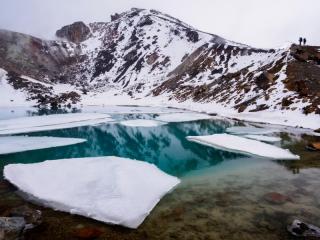
The Tongariro Alpine Crossing traverses 19.4 kilometres through spectacular volcanic landscapes in Tongariro National Park, a dual World Heritage area. The track crosses active volcanic terrain featuring steaming vents, crater lakes, and lava flows. Red Crater provides dramatic volcanic features and colour contrasts. The Emerald Lakes showcase vivid turquoise waters from mineral content. Blue Lake offers stunning alpine lake scenery. Panoramic views encompass volcanic peaks including Mount Ngauruhoe and Mount Ruapehu. The descent through native vegetation contrasts with alpine volcanic landscapes. The crossing typically takes 6-8 hours depending on fitness and conditions. Whether you're seeking world-class day walks, appreciating volcanic landscapes, wanting iconic New Zealand experiences, or challenging yourself physically, the Tongariro Crossing provides exceptional alpine hiking through spectacular volcanic terrain creating unforgettable experiences.
Transport from Taupō
Transport services from Taupō provide essential shuttle services for crossing walkers. Shuttle operators transport hikers from Taupō accommodation to track start points. The journey takes approximately one hour to track access. End-point pickup services collect walkers after crossing completion. The one-way nature of the track necessitates organised transport. Early morning departures ensure optimal track completion times. Return transport to Taupō concludes day trips. Booking transport advance ensures availability during busy periods. Whether you're requiring transport logistics, wanting convenient shuttle services, lacking personal vehicles, or appreciating organised transport, shuttle services provide essential transport through reliable operators ensuring transport to track start with pickup at finish enabling crossing completion without vehicle retrieval complications.
Track Difficulty and Fitness Requirements
The Tongariro Crossing requires good fitness and preparation. The 19.4-kilometre distance represents substantial walking. Significant elevation gain totals approximately 760 metres ascending to 1,886 metres altitude. The descent involves steep sections requiring care and fitness. Alpine terrain includes loose scoria and rocky sections. Weather changes rapidly requiring adaptability and preparation. The 6-8 hour duration demands sustained physical effort. Proper fitness preparation prevents difficulties and increases enjoyment. Whether you're assessing fitness suitability, preparing physically, understanding difficulty, or ensuring appropriate preparation, understanding track demands ensures realistic expectations with appropriate fitness levels supporting successful completion whilst inadequate fitness creates difficulties affecting safety and enjoyment requiring honest self-assessment before committing.
Weather and Conditions
Weather significantly affects crossing experiences and safety. Alpine weather changes rapidly and unpredictably. Wind on exposed ridges can be extreme affecting safety. Rain creates slippery conditions on steep sections. Snow and ice during winter make crossing extremely hazardous. Summer provides most reliable weather though conditions vary. Cloud obscures views reducing spectacular scenery visibility. Temperature varies significantly with altitude requiring layered clothing. Checking forecasts before departing assists decision-making. Whether you're planning crossings, understanding weather impacts, timing visits appropriately, or prioritising safety, weather awareness proves essential through monitoring forecasts with willingness to postpone during unsuitable conditions ensuring safety whilst maximising chances of good weather experiences with spectacular views and safe conditions.
What to Bring and Wear
Proper equipment and clothing ensure comfortable, safe crossings. Sturdy hiking boots with ankle support prevent injuries on rocky terrain. Layered clothing accommodates temperature variations throughout day. Waterproof jacket protects from rain and wind exposure. Sun protection including sunscreen, hat, and sunglasses prevents sunburn at altitude. Sufficient food and water maintain energy throughout long walk. First aid supplies address minor injuries. Emergency shelter or blanket provides safety backup. Walking poles assist with steep ascents and descents. Whether you're preparing for crossing, understanding equipment requirements, ensuring proper clothing, or maximising comfort and safety, appropriate gear proves essential through proper preparation ensuring comfortable walking with safety equipment addressing conditions and potential emergencies throughout alpine environments.
Safety Considerations
Safety awareness prevents accidents and ensures successful crossings. Understanding personal fitness limits prevents overextension. Weather monitoring identifies unsuitable conditions requiring postponement. Staying on marked track prevents getting lost. Alpine hazards include loose rocks, steep slopes, and exposure. Carrying emergency equipment provides safety backup. Mobile phone coverage varies limiting emergency communication. Informing others of plans provides safety backup. Recognising when to turn back prevents dangerous situations. Whether you're prioritising safety, understanding alpine hazards, preparing for emergencies, or making appropriate decisions, safety awareness ensures safe crossing through proper preparation with appropriate decision-making including willingness to abandon crossing when conditions deteriorate or personal condition indicates continuing represents unacceptable risk.
Best Times and Seasons
Crossing seasons significantly affect experiences and accessibility. Summer (December-March) provides most reliable weather and track conditions. Autumn offers fewer crowds with generally stable weather. Winter crossing becomes extremely hazardous requiring mountaineering experience and equipment. Spring conditions remain challenging with snow and ice possible. Weekdays feature fewer walkers than busy weekends. Early season (November) and late season (April) present variable conditions. Peak summer sees heavy track use. Weather remains variable regardless of season. Whether you're timing visits, understanding seasonal variations, avoiding crowds, or maximising good weather chances, seasonal awareness supports planning with summer providing most accessible conditions whilst shoulder seasons offer fewer crowds with increased weather variability requiring flexibility.
Photography and Scenery
The Tongariro Crossing offers spectacular photography opportunities throughout. Emerald Lakes provide iconic vivid turquoise photo subjects. Red Crater showcases dramatic volcanic landscapes and colours. Summit views encompass multiple volcanic peaks. Native vegetation contrasts with volcanic landscapes. Changing light throughout day creates varied photographic conditions. Weather including cloud creates dramatic atmospheric conditions. The unique landscapes justify camera equipment despite weight. Early positioning captures locations before crowds arrive. Whether you're photographer, wanting memorable images, appreciating spectacular scenery, or documenting experiences, photography opportunities abound through spectacular volcanic landscapes with iconic features creating stunning images though equipment weight requires consideration balancing photographic opportunities against hiking comfort and load.
Environmental Care and Track Etiquette
Environmental care protects Tongariro National Park's fragile alpine ecosystems. Staying on marked track prevents vegetation damage. Carrying out all rubbish maintains pristine environments. Toilet facilities at huts require proper use. Respecting sacred sites acknowledges cultural significance. Keeping noise reasonable respects other walkers and wildlife. Allowing faster walkers passing maintains track flow. Understanding cultural significance promotes respectful behaviour. The heavily used track requires careful management and user responsibility. Whether you're environmentally conscious, respecting natural areas, understanding cultural values, or practising track etiquette, responsible behaviour protects environments through minimal impact principles respecting natural and cultural values ensuring track sustainability for future generations whilst maintaining enjoyable experiences for all users through considerate behaviour.
Preparation and Planning
Thorough preparation ensures successful, enjoyable crossings. Physical fitness training prepares for demands. Researching track conditions identifies current situations. Booking transport advance secures essential logistics. Checking weather forecasts informs go/no-go decisions. Preparing appropriate equipment prevents problems. Understanding track timing plans realistic itineraries. Emergency contact information provides safety backup. Alternative plans address unsuitable weather situations. Whether you're planning crossing attempts, ensuring thorough preparation, maximising success chances, or prioritising safety, comprehensive planning proves essential through advance research and preparation with realistic assessment of capabilities and conditions ensuring appropriate decision-making supporting safe, successful, enjoyable crossing experiences or appropriate decisions to postpone when conditions indicate.