



Welcome to Loloma Taupō, a beautifully restored 42-foot classic charter vessel built right here in Taupō and operated by Great Lake Adventures.
Māori Culture
Looking for Māori culture in Taupō? This is your comprehensive guide to cultural experiences. Māori are the tangata whenua (indigenous people of the land) of New Zealand and their culture is an integral part of Taupō. The local Māori people delight in sharing their heritage with visitors and will enrich your experience wherever you go. Encounter the warmth, proud spirit, deep sense of history and quick humour that is this culture.
Lake Taupō and the surrounding region hold deep significance for local iwi (tribes) with stories and connections stretching back centuries. The famous Māori rock carvings at Mine Bay stand as testament to ancestral navigators. Local people welcome opportunities to share their stories, explain their connection to this place, and extend the legendary hospitality Māori people are renowned for. Cultural experiences here connect visitors with living traditions and contemporary Māori communities.
Our directory connects you with Taupō's Māori cultural experiences and welcoming communities. Whether you're seeking to understand indigenous connections to this remarkable landscape, wanting to hear local stories and perspectives, or hoping to experience genuine Māori hospitality, you'll find opportunities throughout Taupō to engage respectfully with culture and history. Meet the house. Meet the people.
Featured Māori Culture Listings
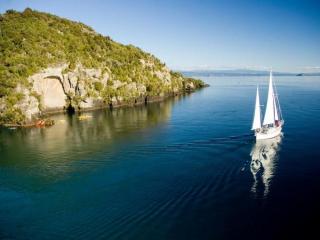
SAIL BARBARY TAUPŌ
Taupo's premier electric yacht tour to Maori Rock Carvings. Join daily cruises or book private charters. Experience the best of Lake Taupō!
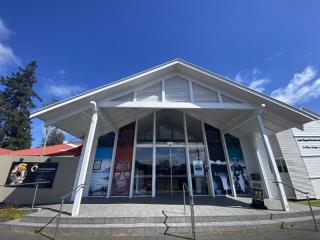
TAUPŌ MUSEUM
Discover Taupō Museum: Unveiling Taupo's past and present through captivating exhibits and the award-winning Ora Garden.
Māori Culture Map
The Māori Rock Carvings
The magnificent rock carvings at Mine Bay represent one of New Zealand's most significant contemporary Māori artworks. Created by master carver Matahi Whakataka-Brightwell and his team in the late 1970s, the 10-metre carving depicts Ngātoro-i-rangi, the ancestral navigator who guided Te Arawa waka (canoe) to Aotearoa. This isn't ancient art but a modern expression of continuing cultural identity and connection to ancestors. The carving's lakeside location, accessible only by water, connects it to the journeys of those who first navigated these waters. Local guides share the stories behind the carving, explaining its significance and the ongoing relationship between people and this place.
Stories of Taupō
The landscape around Taupō is rich with stories passed down through generations. Lake Taupō itself, formed by volcanic eruption, features in traditional narratives explaining the land's formation. Ngātoro-i-rangi, the great navigator and tohunga (priest), remains central to regional stories. Local people generously share these narratives, explaining how ancestors understood and related to this dramatic landscape. These aren't just historical tales but living knowledge that continues to guide relationships with the environment. The stories reveal different ways of understanding the land, seeing natural features as ancestors and relatives, not simply geography.
Cultural Performances and Sharing
Cultural performances in Taupō offer windows into Māori traditions and values. Through haka, waiata (songs), and poi, performers share aspects of their heritage with visitors. These performances aren't entertainment alone but opportunities to understand cultural expressions, hear explanations of meanings, and connect with the people behind the performances. The quick humour and warm spirit of Māori culture often shine through interactions with performers. Many venues combine performances with opportunities to share kai (food) and conversation, extending the hospitality and manaakitanga (generous hosting) that characterise Māori culture.
Meeting Local Iwi
The tribes of the Taupō region maintain strong connections to their ancestral lands. Local Māori people welcome opportunities to share their perspectives, explain their ongoing relationship with Lake Taupō and surrounding areas, and help visitors understand this place through indigenous eyes. Through guided experiences, marae visits, or simply conversation, these personal connections offer insights that transform abstract cultural knowledge into human understanding. The generosity with which local people share their knowledge reflects cultural values of manaakitanga and the desire to help visitors truly understand this place.
Traditional Arts and Contemporary Expressions
Māori artistic traditions continue to evolve in the Taupō region. Carving, weaving, and other traditional arts carry forward ancestral knowledge whilst embracing contemporary expressions. Local artists work in traditional mediums and modern contexts, maintaining connections to cultural identity through creative practice. Meeting artists and hearing their stories reveals how traditional knowledge remains relevant and vital. The artistry represents more than skill—it expresses identity, whakapapa (genealogy), and ongoing connection to culture. Many artists generously explain their work, share their inspirations, and help visitors understand the cultural significance embedded in their creations.
Connection to the Land
Māori relationship with the Taupō landscape is deeply spiritual and practical. For centuries, local iwi have sustained themselves from these waters and lands, developing intimate knowledge of resources and seasons. This relationship continues today with local Māori actively involved in environmental management and conservation. Understanding this connection helps visitors see the landscape differently—not as scenery but as ancestor, provider, and relative. Local people share this perspective generously, explaining how traditional knowledge guides contemporary environmental care, revealing the ongoing relevance of ancestral wisdom.
Cultural Values and Respect
Engaging with Māori culture means understanding values that guide interactions and relationships. Manaakitanga (hospitality), whanaungatanga (connection), and kaitiakitanga (guardianship) shape how Māori people relate to visitors and the environment. Local people help visitors understand appropriate respectful behaviour, not as rigid rules but as expressions of caring relationship. This guidance comes from desire to share culture properly. Visitors often find these values resonate with their own concepts of respect and community. Understanding these values enriches all cultural encounters.
Te Reo Māori
Hearing and learning basic te reo Māori (Māori language) connects visitors to cultural identity. Many place names around Taupō carry Māori names with significant meanings. Local people appreciate visitors' interest in the language and often enjoy sharing basic words and phrases. Even simple greetings like kia ora create connections. The language carries concepts English cannot fully express, offering insights into Māori worldviews. The ongoing revitalisation of te reo represents cultural resilience and pride, and visitors' interest in learning supports this important work.
Cultural Sites and Significance
Throughout the Taupō region, places carry cultural and historical significance for local Māori. Some are marked and interpreted whilst others hold quiet significance known to local people. Former pa (settlements) sites, traditional resource gathering areas, and places featuring in stories form a cultural landscape layered over the physical one. Local guides help visitors understand this cultural geography, sharing appropriate knowledge whilst respecting sites of particular sacredness. This perspective reveals how land carries history and identity for Māori people.
Contemporary Māori Life
Māori culture in Taupō today is vibrant and forward-looking. Local Māori people balance modern life with cultural identity, maintaining language, traditions, and values whilst fully participating in contemporary society. Young Māori carry forward ancestral knowledge in relevant ways. Understanding contemporary Māori life means recognising culture as dynamic and living, not museum exhibits. Local people share how cultural values guide modern decisions, how traditions adapt whilst maintaining core meanings, and how Māori identity remains strong and proud. This reveals culture's ongoing vitality and relevance.